 Quantority
Reading liquidations
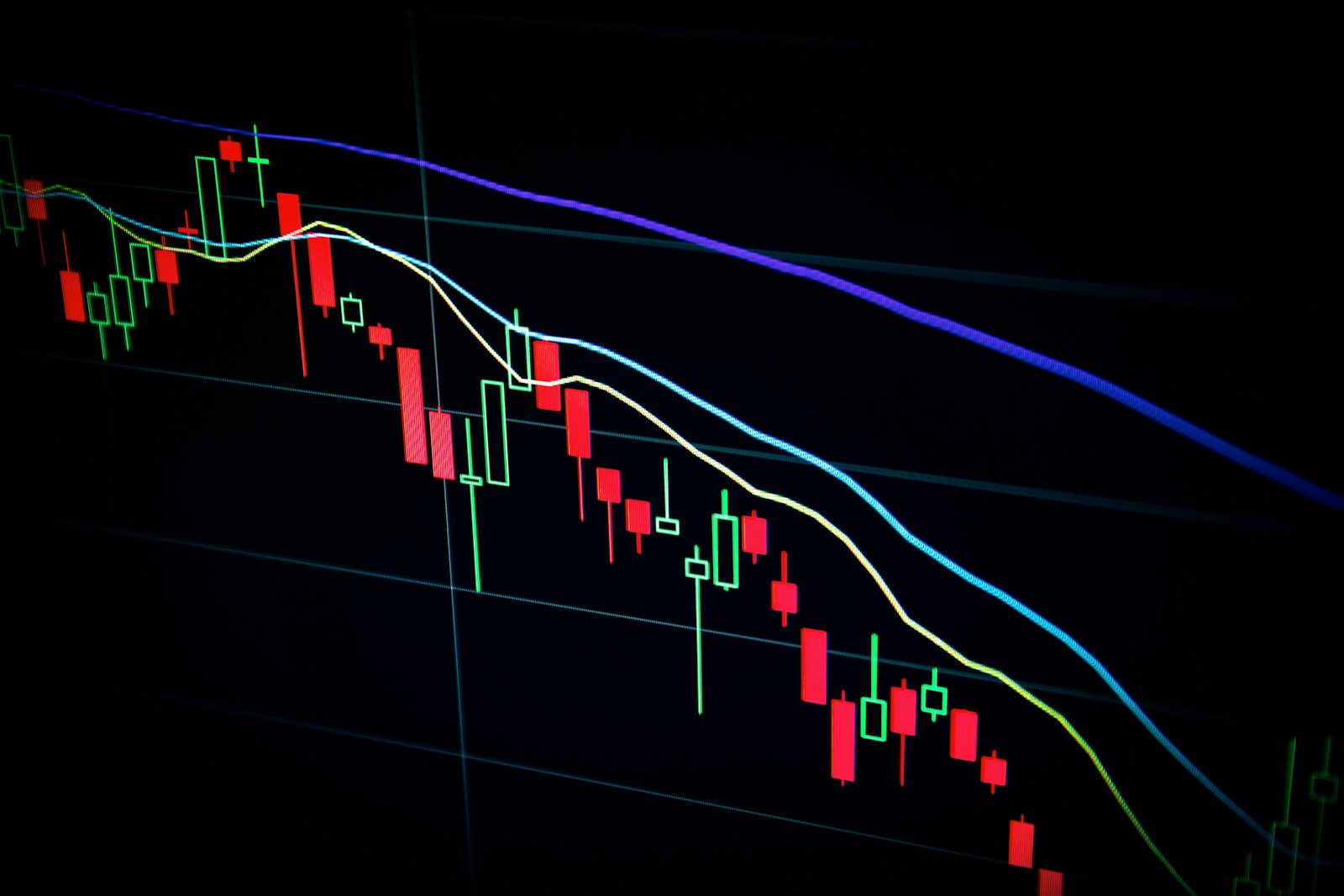
A liquidation is the forced closure of a leveraged position when the trader's margin can no longer cover losses. In crypto perpetuals, clusters of liquidations often coincide with — and amplify — the sharpest price moves, as forced selling or buying cascades through the order book.
Long vs short liquidations
When price drops quickly, leveraged longs get liquidated (forced to sell), which can push price lower still. When price squeezes higher, leveraged shorts get liquidated (forced to buy). The 24-hour split between the two tells you which side took the hit.
The imbalance metric
We summarize the skew as a single −1…1 imbalance: positive means more shorts were liquidated (a squeeze higher), negative means more longs were wiped out (a flush lower). See the live picture on the liquidation dashboard, or any coin's liquidations page.
Why it matters with open interest
Heavy liquidations alongside falling open interest mark leverage being violently flushed out. Read liquidations together with funding and OI to judge whether a move is fresh positioning or a forced unwind. Descriptive, not predictive — and not financial advice.
Keep exploring
Every perpetual, sortable by funding, OI and risk.
Leaderboards for funding, OI momentum and risk.
Put two coins side by side across every metric.
Plain-English guides to every metric we track.
Quick definitions for derivatives terms.
Exactly how each number is computed.
Funding extremes, OI surges and liquidation cascades — pushed the moment the data moves.